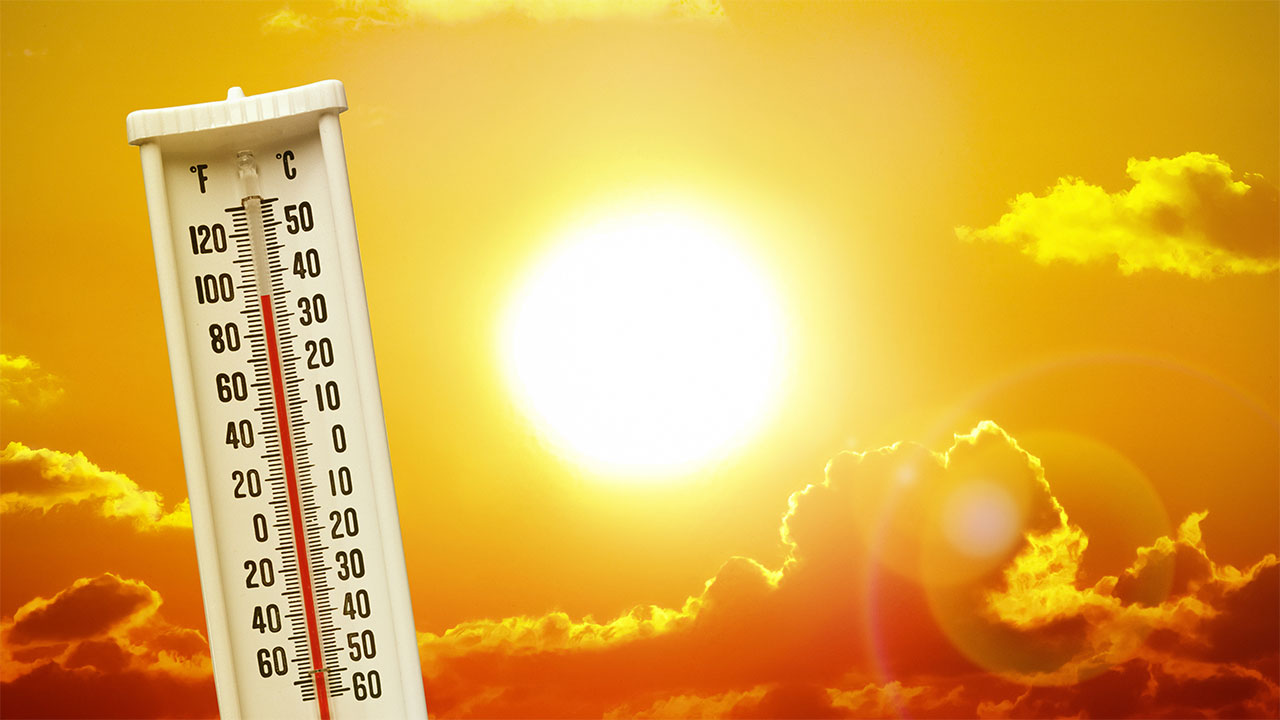
It Can Get Too Hot!
During an average summer, some 200 people across the country die due to heat injuries from exposure to high summer temperatures. Clearly, heat can be a force, particularly in Southern California, where temperatures exceeding 100 degrees in the suburban valleys and 110 degrees in the low desert areas are not uncommon during the summer and fall.
Heat-wave emergencies can strike very quickly. In 1995, for example, the city of Chicago’s medical examiner received reports regarding the first heat-related fatalities at 9 p.m. on a Friday night. By 8 a.m. the following morning, an additional 87 people had died. These deaths were caused directly by the heat. Exposure to sunlight is a mixed blessing. Although sun is necessary for life, exposure to ultraviolet (UV) radiation is potentially dangerous and can damage the skin. Varied burns result from prolonged exposure to UV rays, but some people also may burn from very little exposure. UV rays can significantly keep the skin from compensating for the excess heat. Overexposure to heat or excessive exercise in the heat also can cause other injuries. The severity of such injuries increases with age; heat cramps in a younger person may be heat exhaustion in a middle-aged person, but may be heatstroke in an elderly person. This occurs because the person has not adapted to the heat and is unable to adjust to changes in the body. The reverse side of this Focus Sheet offers recommendations designed to help you avoid heat-related death and injury wherever you live, work, or play.